Wedding Rituals of the Three Regions
September 16, 2025
Central Wedding Rituals
September 16, 2025
The Centennial Bliss Exhibition

Southern Wedding Rituals

In Southern Vietnam, weddings reflected a more open, less rigid character, often based on love and free choice of partners.

Matchmaking was informal. A respected elder might suggest a union if a couple seemed well-suited. Unlike in the North, matchmakers here acted as facilitators rather than professionals.

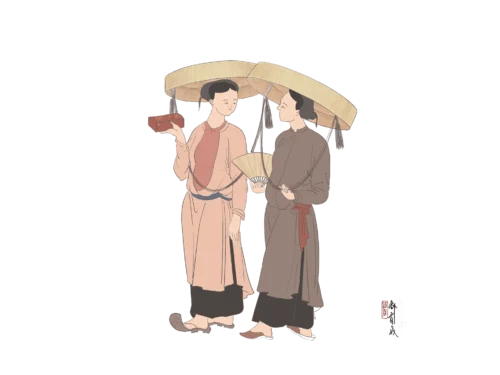
The process began with lễ coi mắt (family meeting to “see the bride”), when the groom’s parents and close relatives visited the bride’s family. If they approved, the bride signaled agreement, and the match was considered settled.

Next came lễ coi nhà (house-visiting), where the bride’s family assessed compatibility of households. This was followed by đám đi chơi: the groom’s family brought trays of wine and cakes to the bride’s home. Upon leaving, they carried back empty trays, but the bride’s family always left some gifts (hồi mâm). If the return was modest, it indicated consent; if excessive, it implied refusal.

The đám nói (engagement) was then held, usually more elaborate on the bride’s side. Afterward, both families agreed on the wedding date.

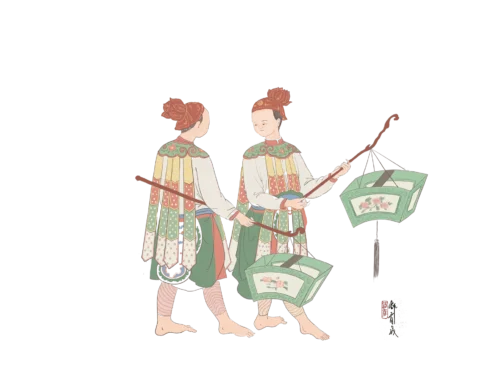
On the wedding day, the groom’s procession of about ten people went to fetch the bride. At the bride’s home, children often blocked the gate with red strings (chăng dây tơ hồng), requiring the groom or elder to give lì xì (lucky money) to “open the way,” amid celebratory firecrackers.

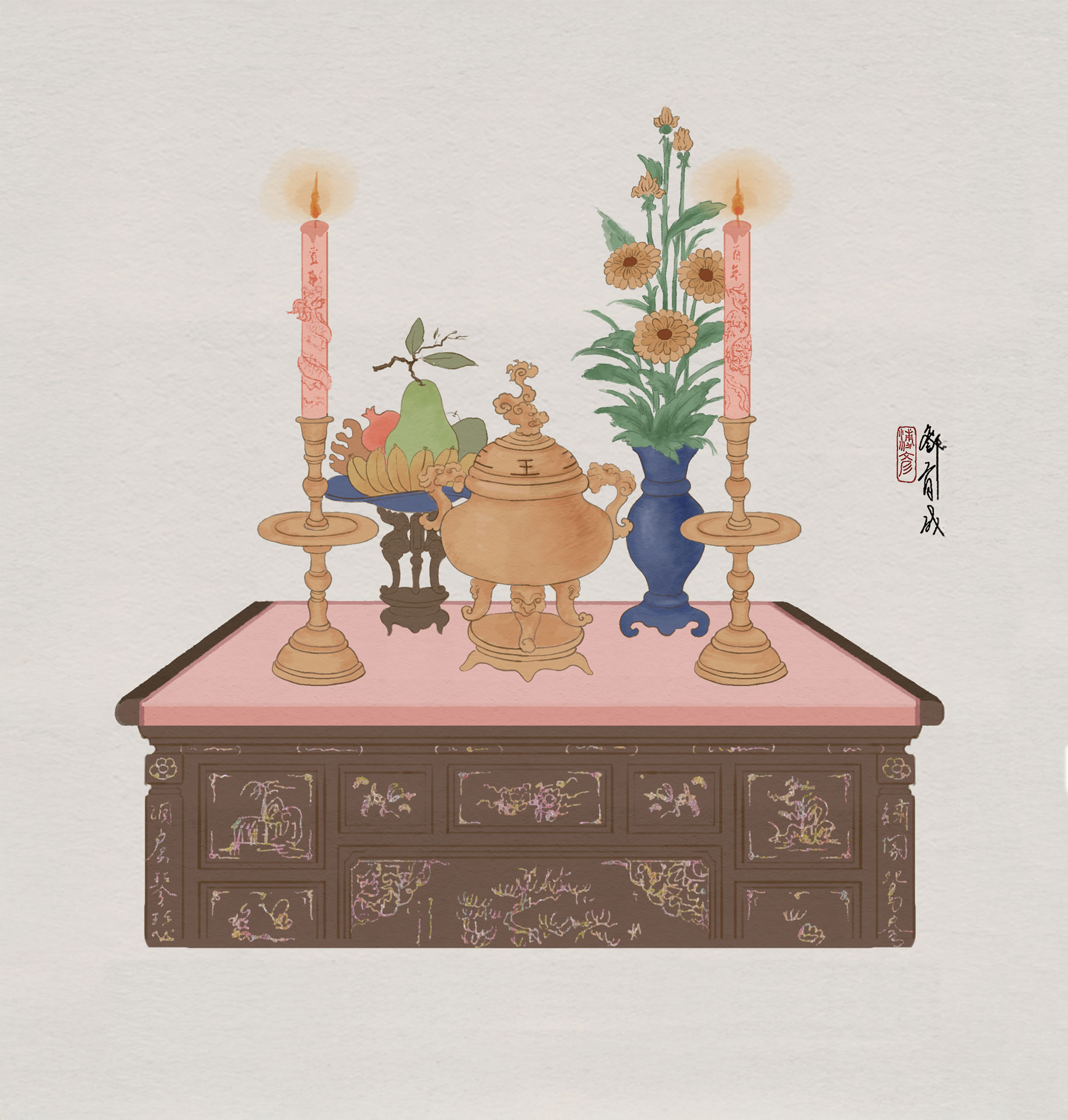
The wedding feast was lively, with the bride and groom first making offerings to ancestors, then performing the betel tray ceremony (dỡ mâm trầu). Finally, the groom’s elder requested permission to bring the bride home.

Three days later, the couple returned to the bride’s family for the lễ phản bái (return ceremony), marking the beginning of their married life together with blessings for enduring happiness.

EXPLORE MORE