Weddings in Northern Vietnam were deeply influenced by Confucian values, with solemn ceremonies that emphasized propriety and family honor.
Marriage was considered a great matter tied to the reputation of the family line. Thus, parents and elders always held the deciding voice.
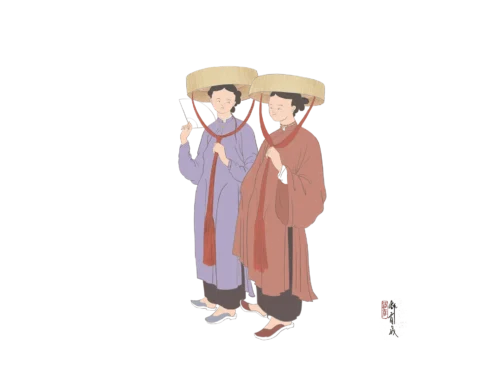
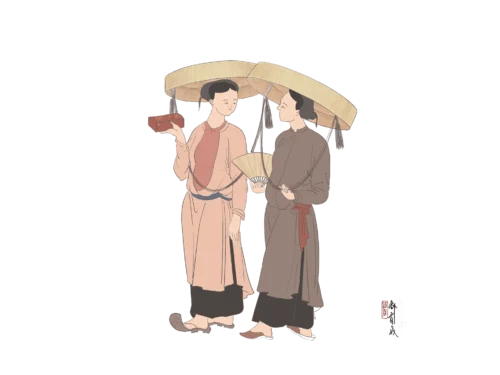
The groom’s family first sought a match that was môn đăng hộ đối (equal in social status) and checked whether the couple’s ages were compatible before sending a matchmaker (mối lái). If the girl’s family agreed, the groom’s family would bring betel nuts and tea (lễ dạm ngõ). Later came the lễ ăn hỏi (engagement), when the groom’s family brought offerings of betel, tea, pork, and sticky rice to the bride’s family to honor the ancestors.
After the ăn hỏi came the custom of sêu: the groom’s family presented gifts to the bride’s family on important occasions. Half of the gifts were kept, while the other half were returned (đồ lại mặt). Depending on circumstances, the couple might wed after one year, or sometimes only after two to three years of sêu.
Before setting the wedding day, the groom’s family would write to ask what offerings the bride’s family required. If acceptable, both sides would agree on an auspicious date.
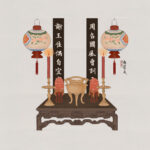
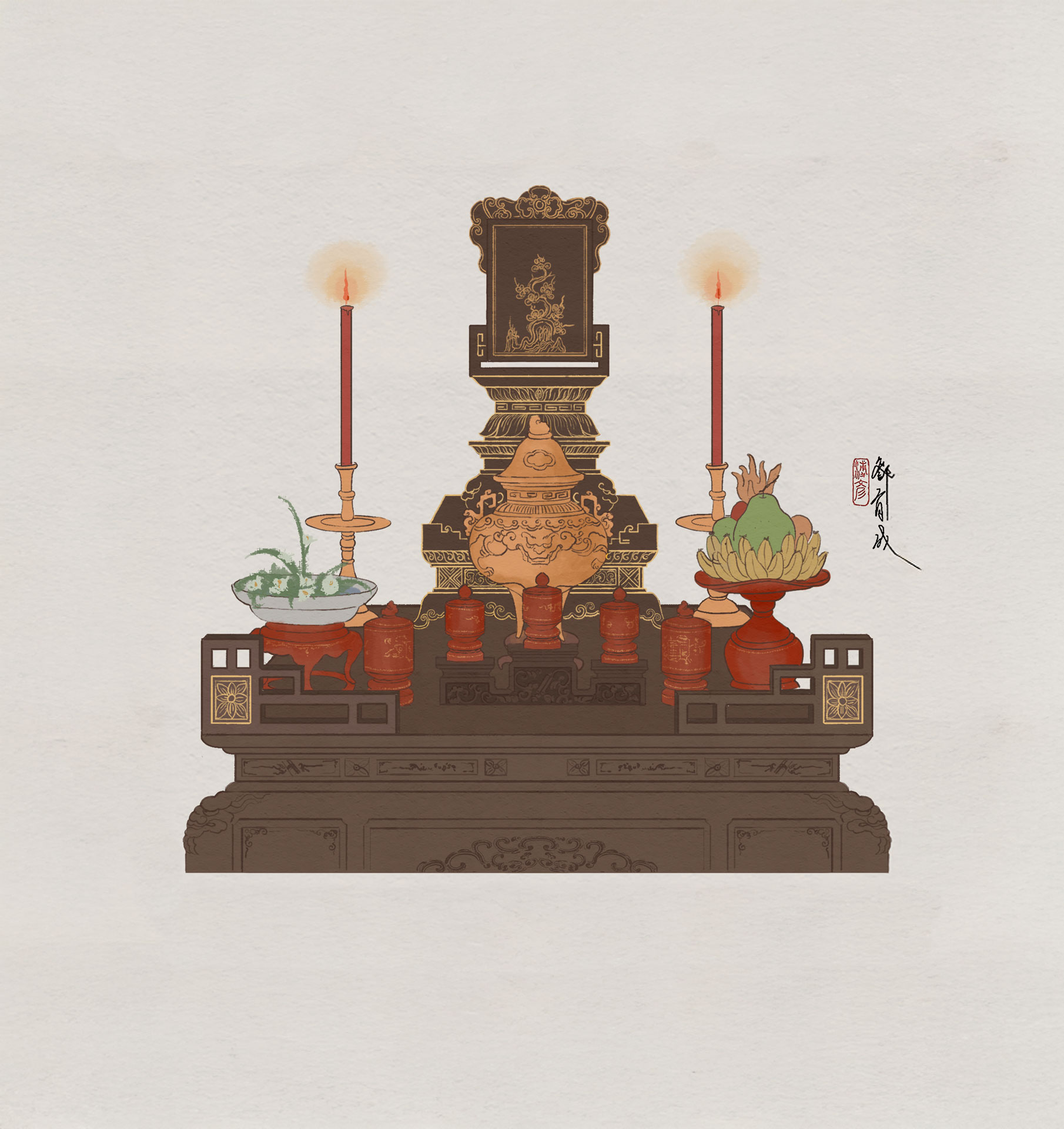
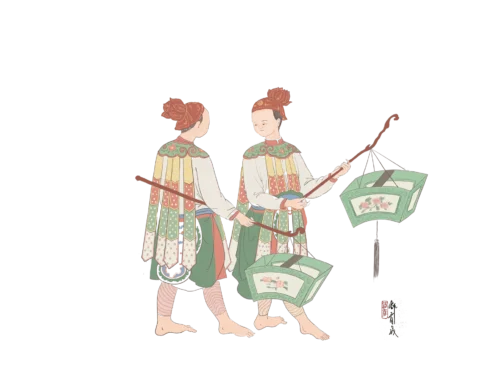
In rural areas, weddings often took place at night. The procession was led by an elder carrying a bundle of incense, followed by ritual guides. The groom, dressed formally, was escorted by relatives. Upon arrival, the bride’s family performed ancestor rites before receiving the groom.
The lễ tế tơ hồng (silken thread ceremony) was held outdoors, with offerings of chicken, sticky rice, betel, and wine to honor the matchmaker deity Nguyệt Lão, believed to bind couples together. After this, the groom bowed to his in-laws, and the families feasted.
The next morning, the bride was formally escorted to the groom’s home. The procession was again led by an elder with incense, followed by her relatives. Along the way, there was the custom of chặn đường (blocking the road) with ropes or small altars, requiring the groom’s side to give coins or small gifts to pass.
Three days after the wedding, the couple returned to the bride’s family for the lễ lại mặt, bringing simple offerings like cakes or fruits. This ritual reinforced bonds between the two families.